The Key to Nardò
Twelve months. Dodici mesi. That’s how long I’ve been on this Italian journey. It started like everyone else’s, penso. A click. A download. Duolingo. The little green owl was my first, ehm, friend. Then Jumpspeak, MakesYouFluent, DuoCards… my phone was pieno, a digital tower of Babel promising fluency. And it worked, a little. I could say “the cat is under the table.” Molto utile. Very useful.
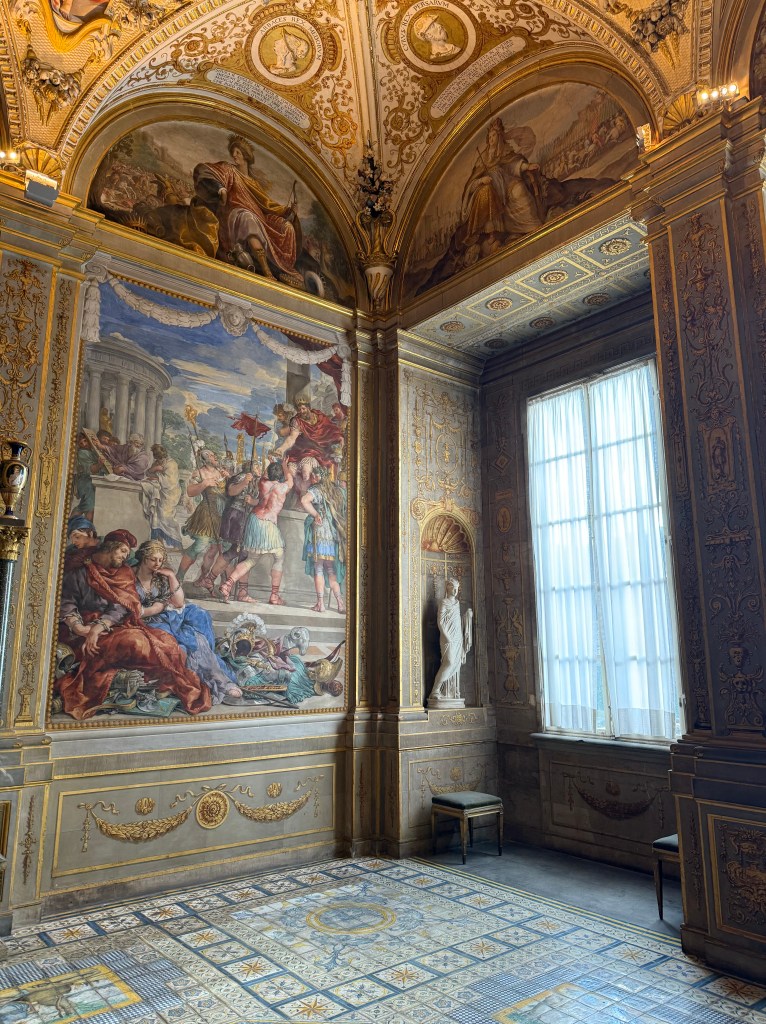
But then, Florence. Arriving there was a shock. The apps gave me words, but Florence gave me suono, sound. I took a course at Bona Vitaly, and everything changed. Constanza and Chiara… che brave! They made the basics fun, sure, but more than that, they made it umano. Human. It was the first time I realized the truth: this isn’t about algorithms. It’s about people. Speaking, laughing, fare errori (making mistakes), and working directly with other humans. That is the only “bst” way, the best way to learn.
Now, I am in Nardò.
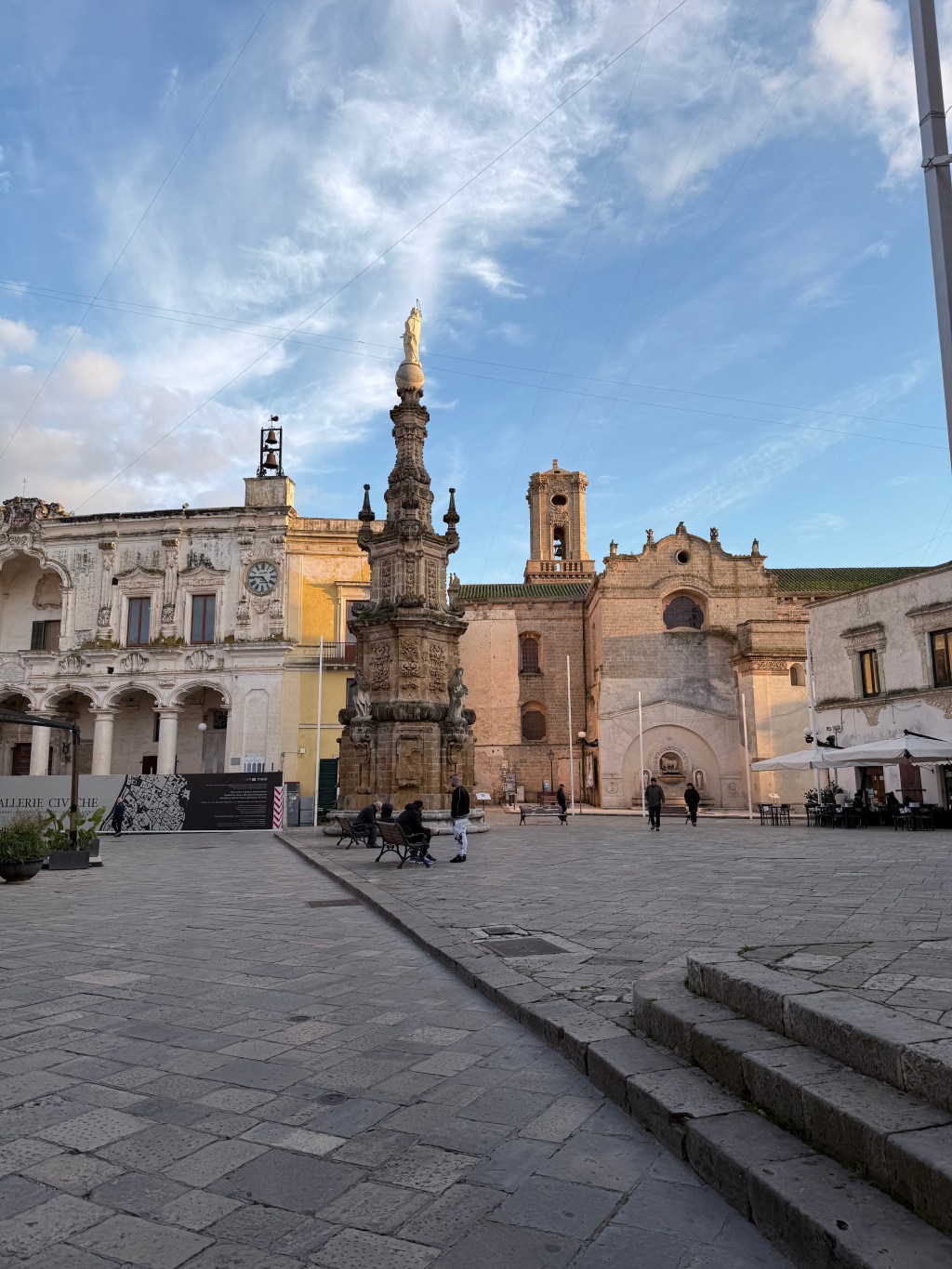
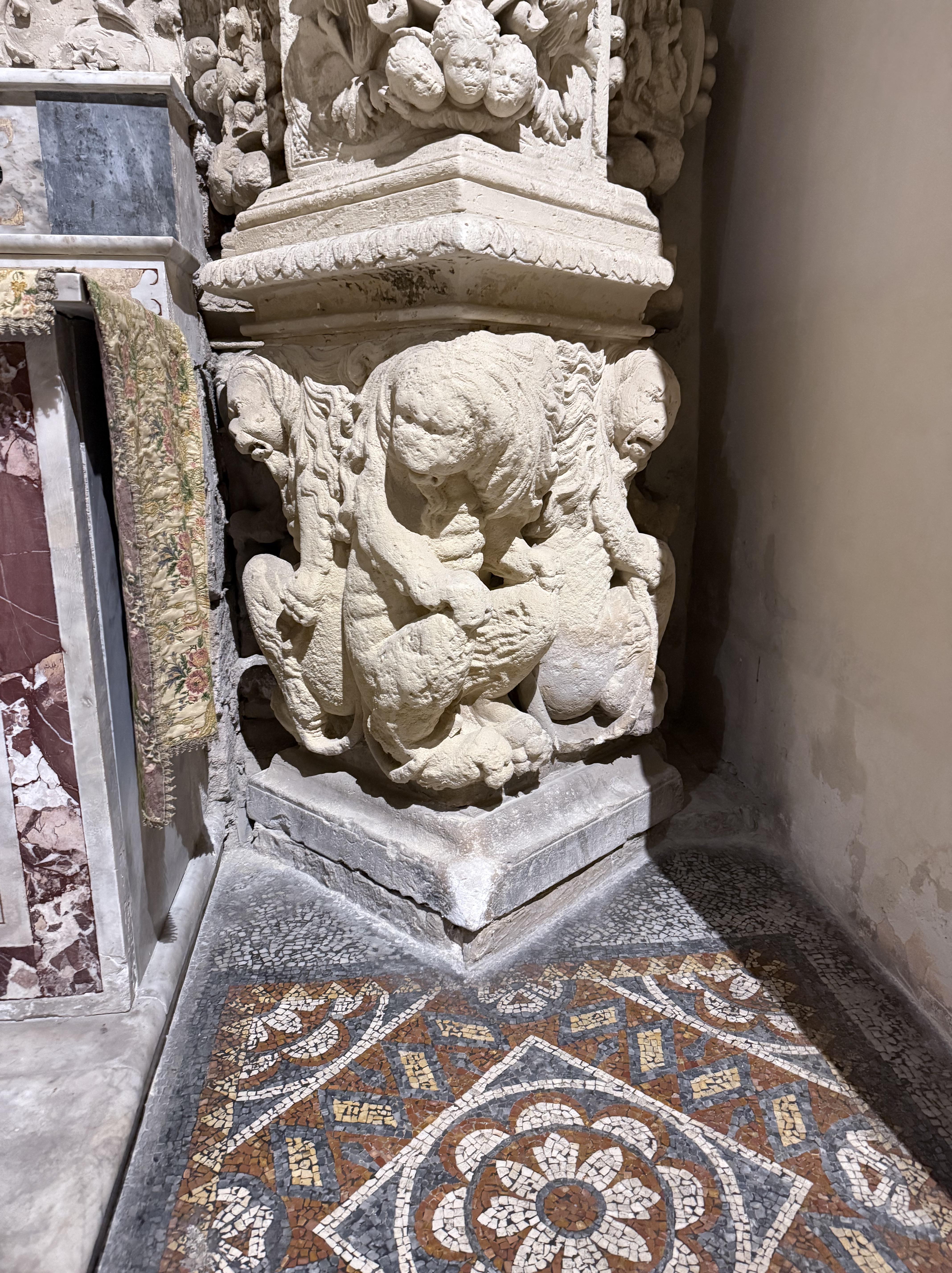
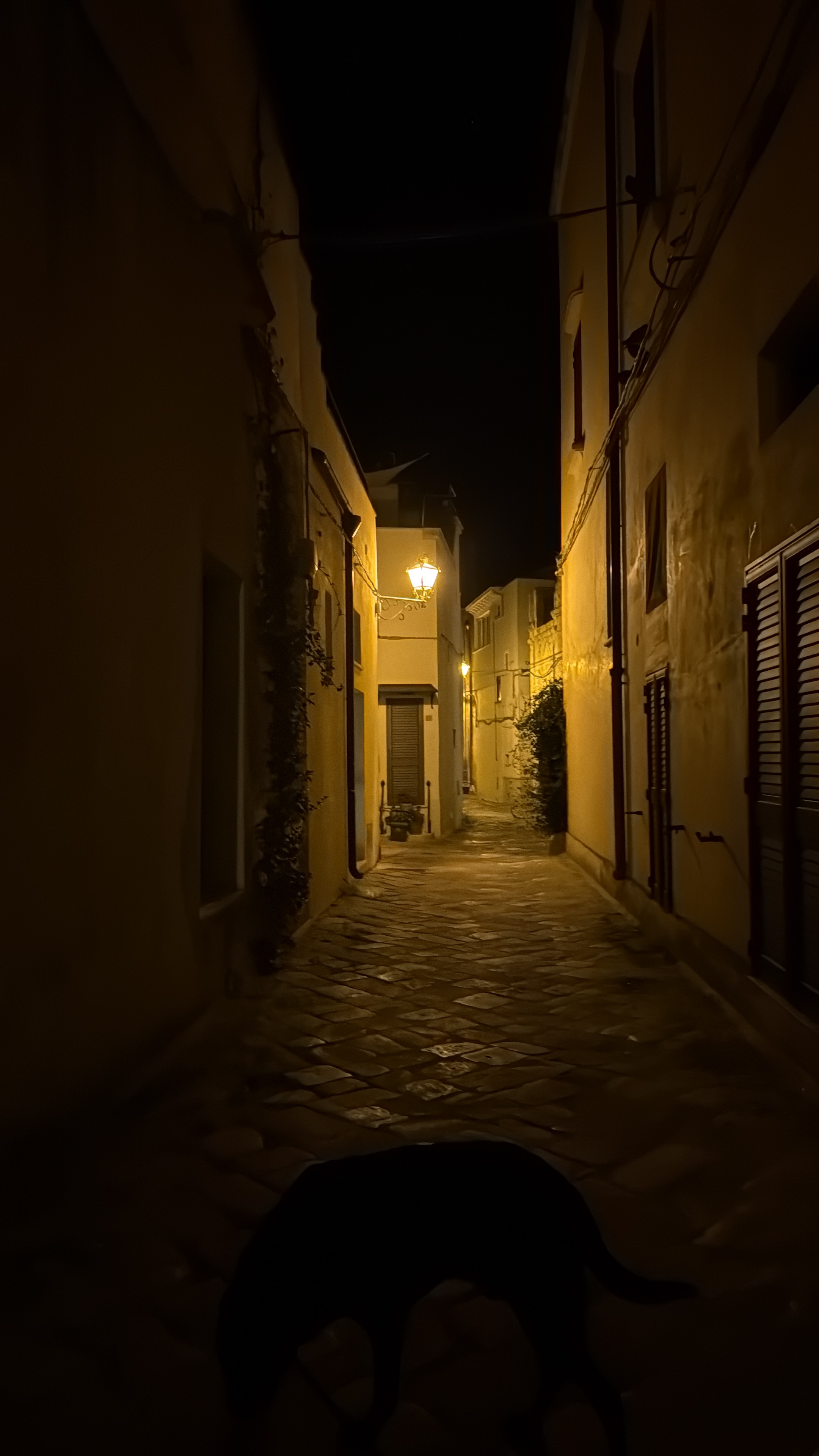
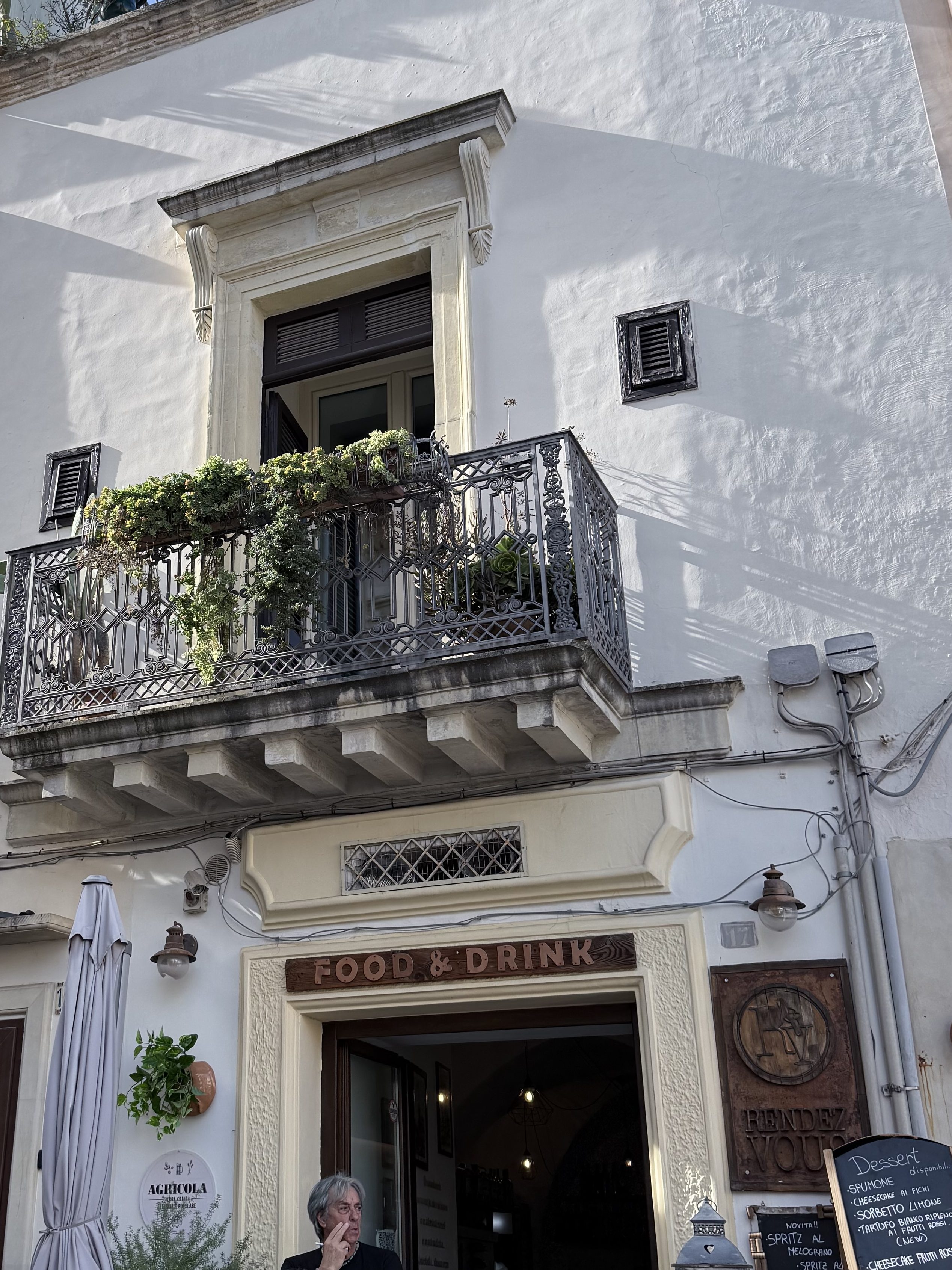
This is not Florence. Florence is a bellissimo museum, a postcard you live inside. Nardò… Nardò is reale. It’s in the heart of Salento, down in the heel of the boot, and it doesn’t bend over backward for tourists. It lives its own life. The centro storico is this amazing maze of baroque. The limestone, they call it pietra leccese, is so soft you can see where the wind has carved it. It’s so white it hurts your eyes at mezzogiorno, and then at sunset, it all turns golden. Oro.
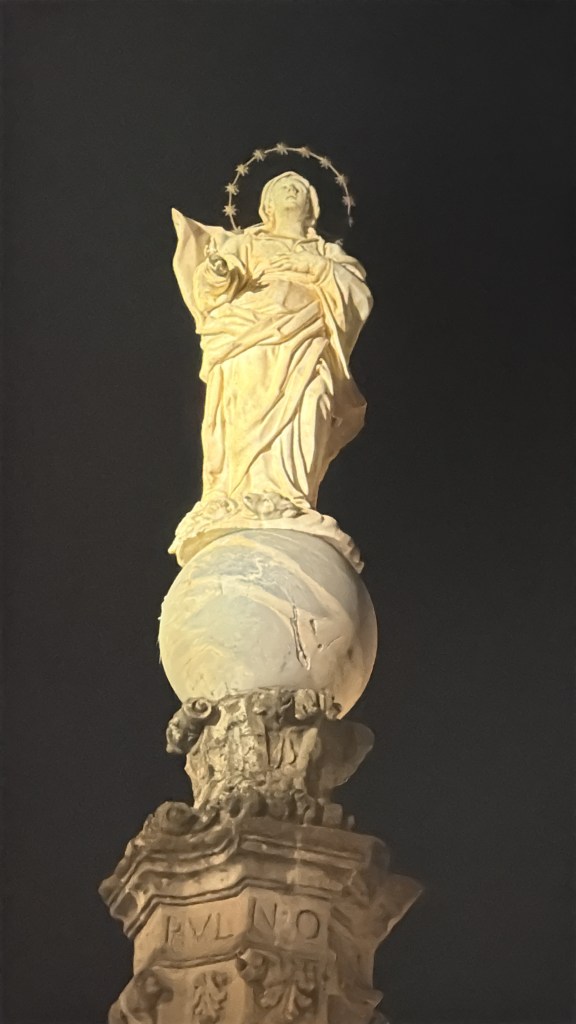
The heart is Piazza Salandra. You just sit there. You watch the nonni on the benches, gossiping. You watch the kids kicking a football against a 500-year-old wall. The air smells like caffè and, in the evenings, woodsmoke. It’s thick with a dialect I can barely understand, ma I am trying. I listen.
Living here, especially just outside in the campagna, you feel the necessità of the language every day. You can’t just point. You can’t just smile and get by in English. You must speak. When you need to find the caseificio for fresh ricotta, or ask your neighbour where to buy legna (firewood), English is inutile. Useless. You must try.
This is why I am so eccitato. Excited. Yesterday, I started my new program with Rosa Vaglio. In our short intro, we did a test, and I met my classmate. Nine hours a week, just us and the teacher, for the next few months. Nove ore! My brain is already full, ma this is the work. This is how you break through.
It’s so easy to get stuck in the “expat trap.” I’ve met some, and they are mostly nice people. But you see them, clustered together, speaking English, recreating the life they left behind. I don’t want that. That’s not why I came.
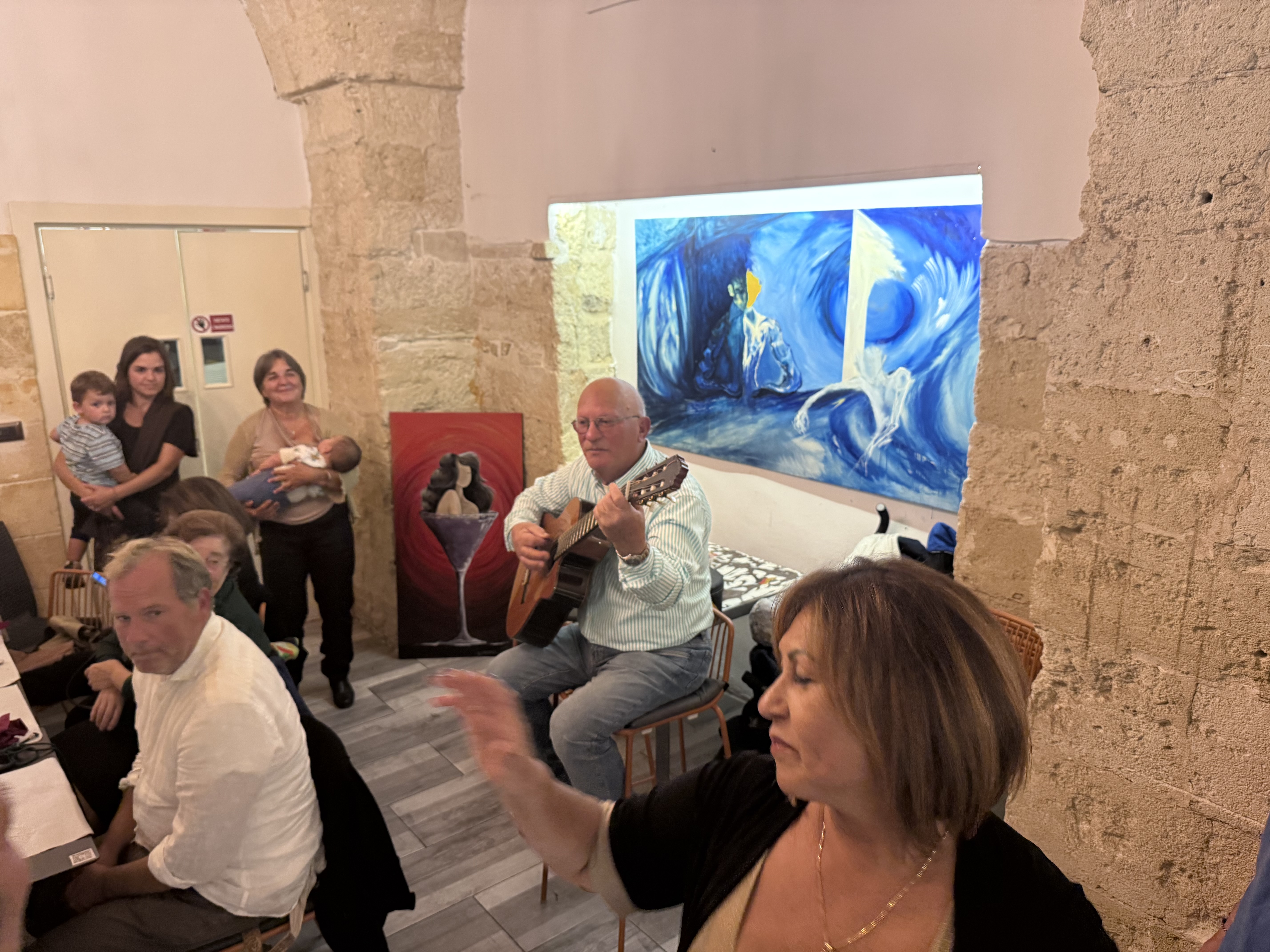
I want the “local colour.” I want what my friend Sergio gives. I met him in town. He’s a Taurini, born and bred. He speaks English, but his wife does not. This is the real challenge. When I’m with them, especially at their house, I can’t be lazy and just use English with him. I must speak Italian, because lei non capisce. She doesn’t understand. This is the real practice, the real connection, I feel the warmth and sincerity of their words and hospitality. Sergio tells me about the ulivi, the ancient olive trees that cover this land, some a thousand years old. He tells me where to get the best pasticciotto, which beach to go to when the tramontana (north wind) blows. This connection, speaking with both of them… this is better than any app. This is comunità.
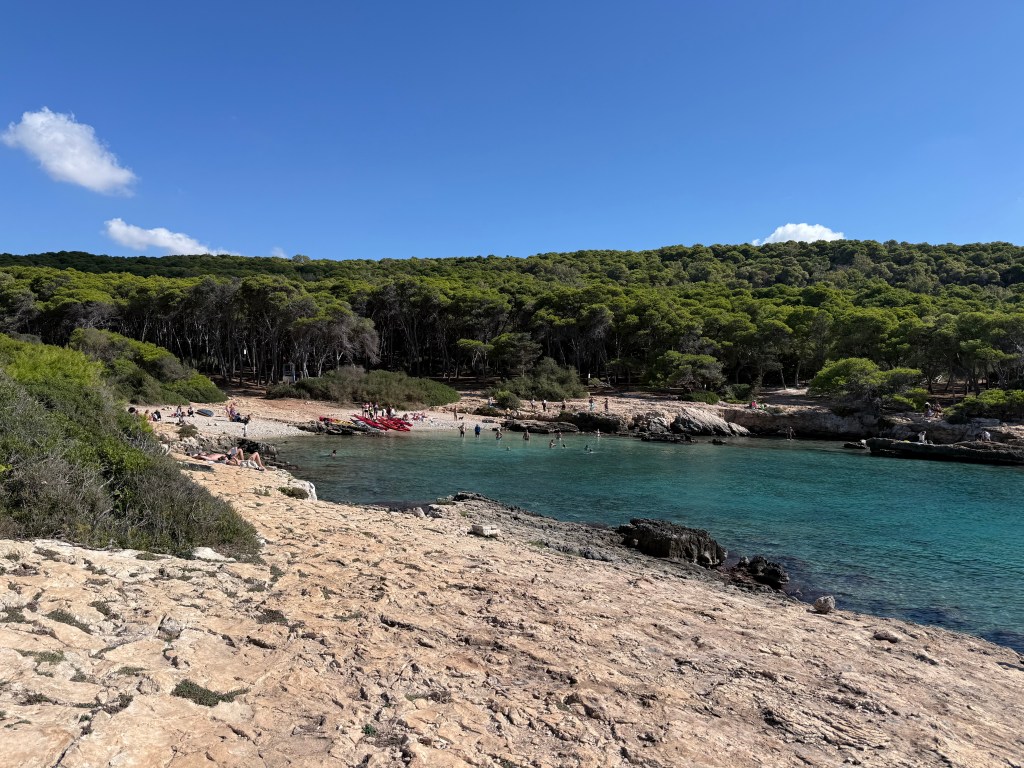
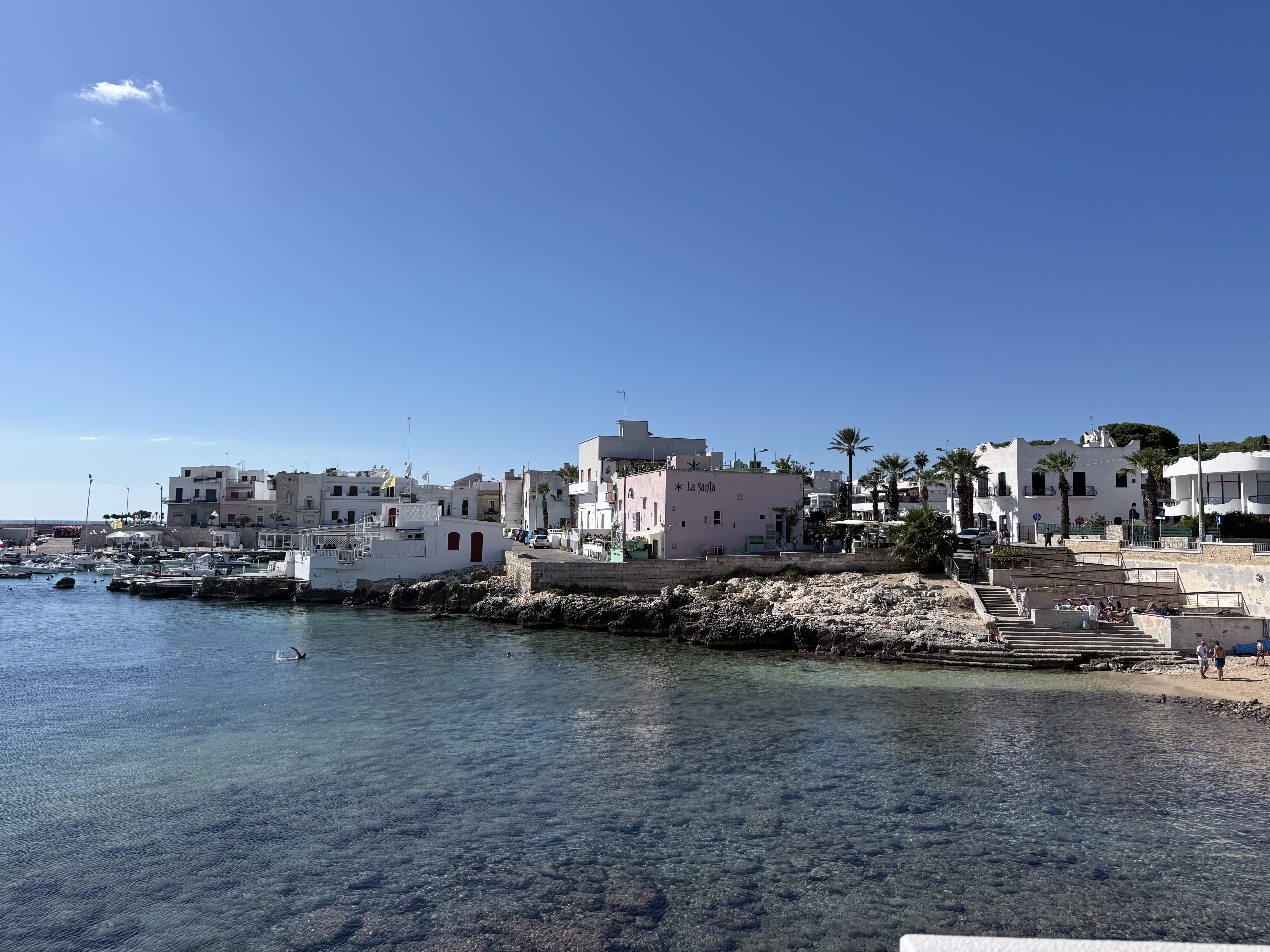
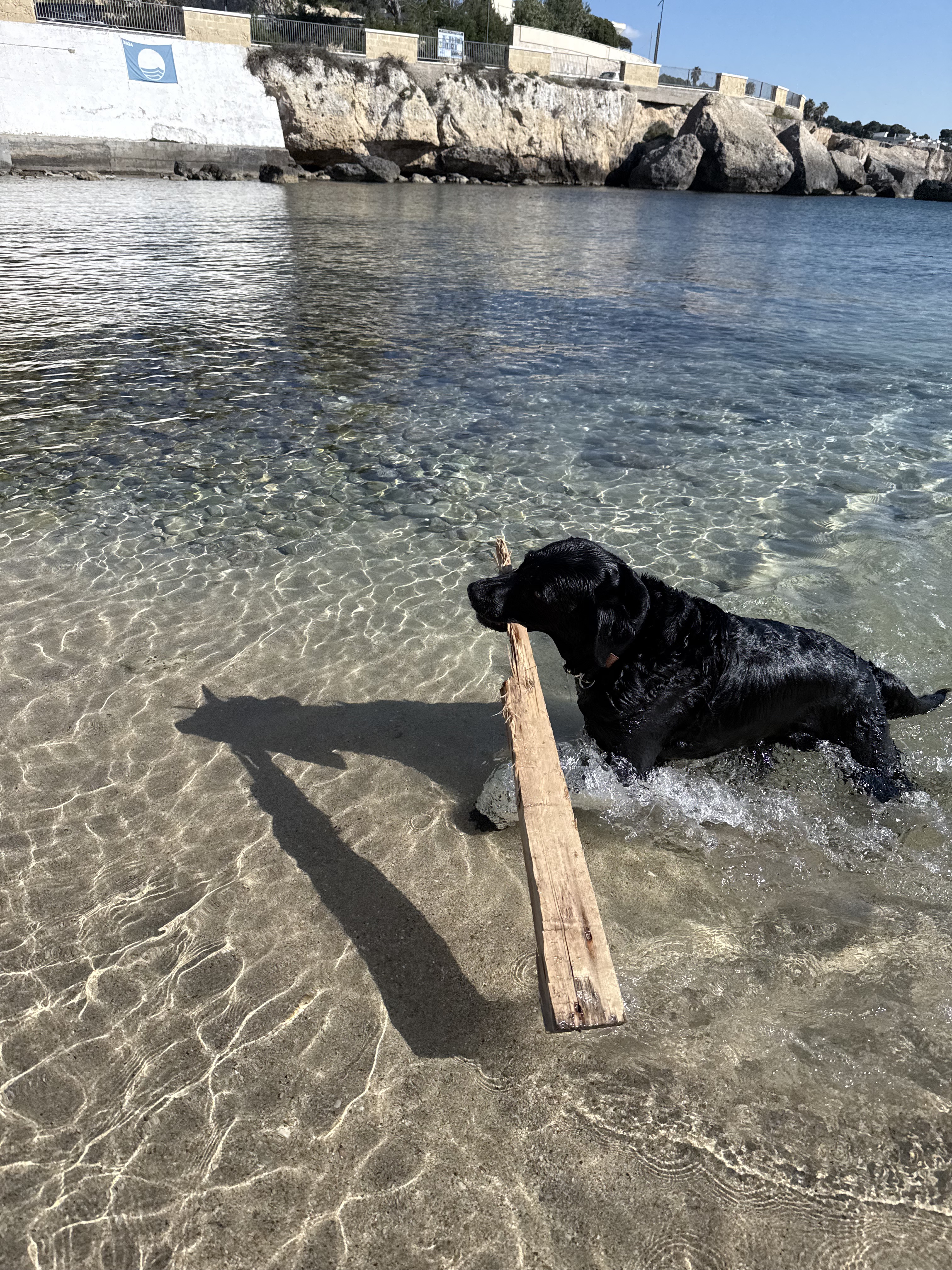
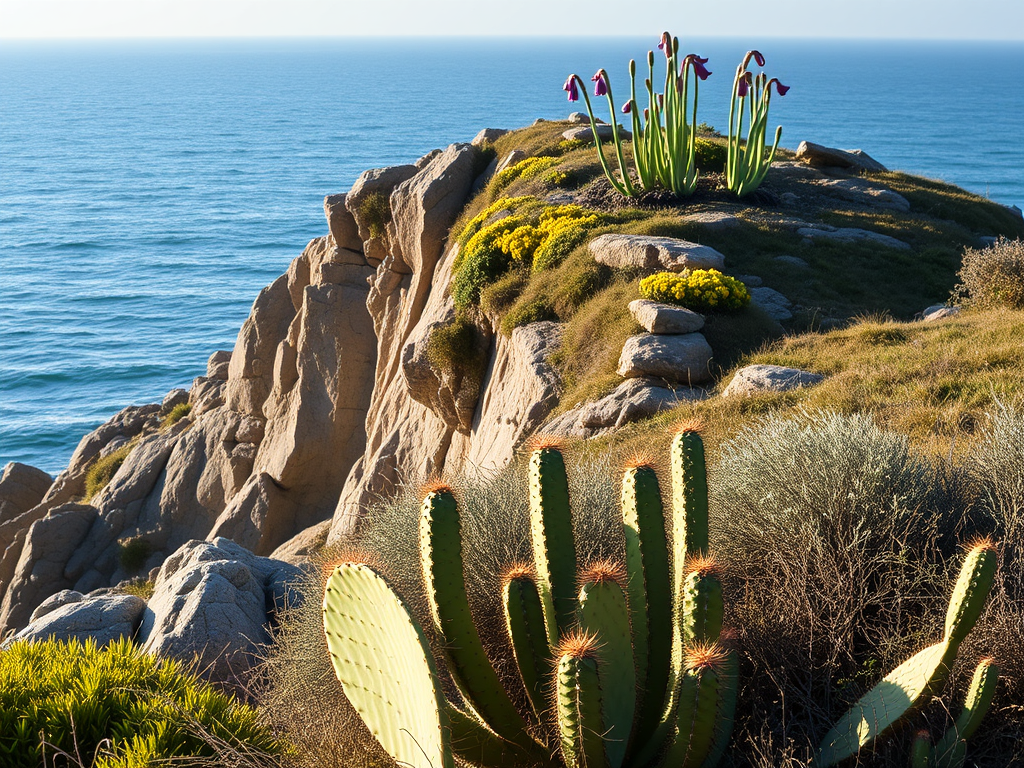
And the area. Mamma mia. Nardò is the perfect base. You drive five minutes, and you are at the sea. Not just any sea, but the Ionian. Places like Porto Selvaggio, a wild park where the green pines crash right into the blue, bluissimo, water. You have to walk down, and it’s worth it. Or Santa Maria al Bagno, with its little piazzetta right on the water.
This whole experience… io amo questa esperienza. I love it. It’s hard, certo. Some days my head hurts and I feel stupid, like I can’t form a single sentence. I mix up sono and ho. I forget the gender of tavolo. Is it il tavolo or la tavolo? È maschio o femmina? Chi lo sa! It makes me crazy.
But then I go to the mercato. I ask for due etti di prosciutto, and the man understands me. I have a coffee, and the barista remembers I take it senza zucchero. I have a five-minute, broken-Italian chat with Sergio and his wife about the weather.
This is not just about learning a language. It’s about unlocking a place. It’s about earning your spot. My Italian is not perfect, ancora. It’s messy. But it’s getting me closer. It’s helping me build a life here, not just observe one. And that is tutto. That is everything.
 Tim Taylor
Leave a comment